



- All posts
- aizome
- aizome bedding
- allergies
- badskin
- beach clean
- bed
- bedding
- bedroom
- better sleep
- biomimicry
- blockprint
- certification
- chemicals
- child
- cloth chemicals
- clothes
- clothing
- cotton
- craft
- craftsman
- da vinci
- detergents
- dye
- dyeing
- earth day
- eczema
- Environment
- fabric
- fascinating
- health
- history
- indigo
- indigo dye
- indigo pigment
- japan
- laundry
- laundry tips
- love lettter
- microplastics
- natural dye
- natural dyeing
- natural dyes
- natural textile
- organic
- organic detergent
- organic dyes
- performance fabric
- plastics
- pollution
- polyester
- sensitive skin
- skin
- skin-soothing
- skincare
- Sleep
- sleeping tips
- smell
- story
- sustainability
- sweat
- synthetic
- textile
- textile industry
- toxic
- toxic chemicals
- toxic fabrics
- transparency
- true
- TSW
- Turtles
- virtual dyeing
- water
- water shortage

What Changes When the Fabric Changes
Skin sensitivity relief, better sleep, calmer nights. Real customer experiences after switching to bedding without synthetic dyes or chemical finishes.
Why the World Needs a Health Category for Textiles
Food has ingredient labels. Skincare gets scrutinized. But textiles — the materials touching your skin for hours every day — have almost no health standards. Learn why a health category for textile...

The Textile Micro-Climate: Why Your Bedding Is More Than Fabric
Most conventional bedding is treated with chemical finishes — flame retardants, wrinkle resistors, synthetic dyes — designed for retail, not for sleep. Over eight hours a night, those treatments in...

What Makes Bedding Safe for Skin?
Most bedding is sold on claims. AIZOME HIP™ is built on proof — a system that defines, tests, and controls every input that touches your body, night after night.
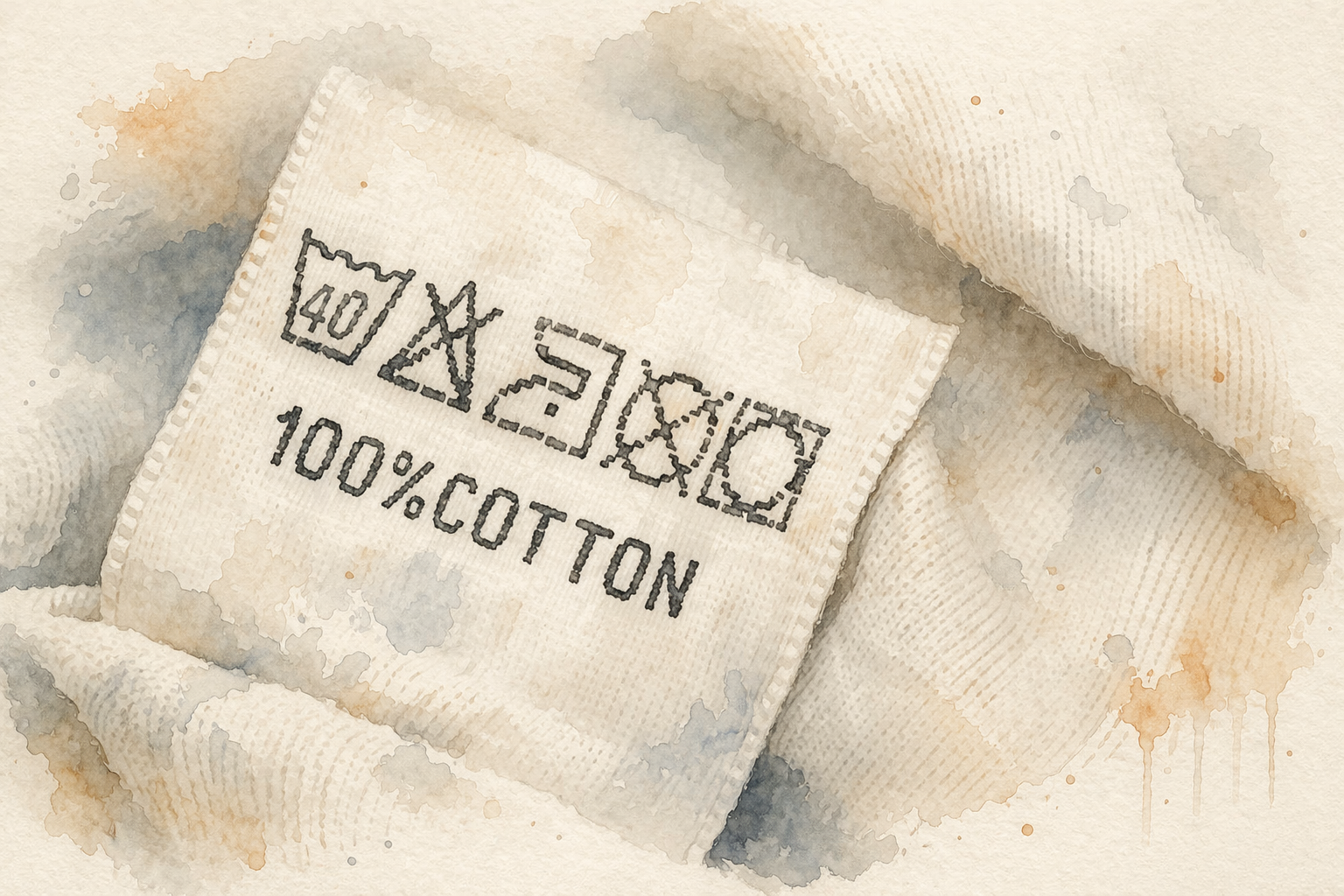
What's Really in Your Bed Sheets?
"100% cotton" is a fiber label — not an ingredient list. What goes into your fabric before it reaches you matters just as much as the fiber itself. Here's how to start reading between the lines.
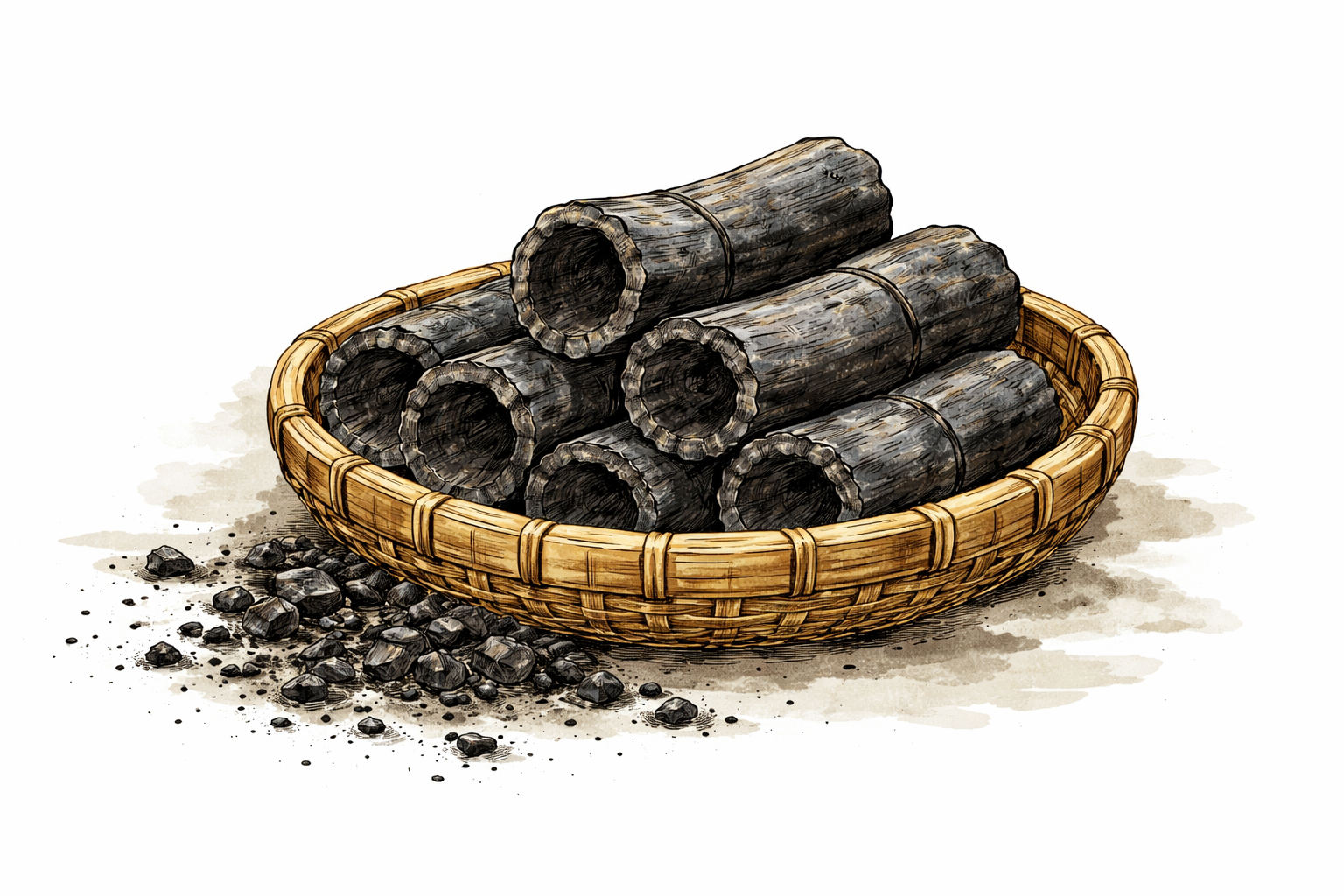
The Hidden Ingredient Part 8: Carbon Haze
The Hidden Ingredient · Part 8 Carbon Haze The Ancient Material Behind Our Newest Color Before antibacterial finishes. Before odor-control technology. Before "smart" textiles — humans already kn...